Heart Bloom Font for Business Branding
As a small business owner, I'm always looking for ways to make my brand feel more polished and professional. Recently, I was redesigning the packaging for my handmade candle line and needed a font that felt both creative and refined. That's when I discovered Heart Bloom—a cute heart font that brought just the right balance of playfulness and sophistication.
What Is Heart Bloom?
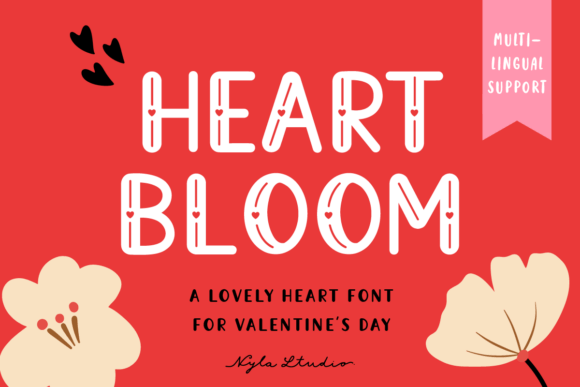
Heart Bloom is a decorative typeface that features delicate, stylized hearts integrated into its letterforms. It has a whimsical yet elegant personality, making it ideal for brands that want to convey warmth, creativity, and charm. The font feels handcrafted, with subtle flourishes and curves that add visual interest without overwhelming the design.
Its style works well for logos, headlines, and short phrases where a touch of personality is needed. Whether you're designing a logo for a boutique or creating a label for a product, Heart Bloom adds a unique flair that stands out from standard fonts.
Real-World Use Cases
I tested Heart Bloom on several business materials, including product labels, social media graphics, and packaging. For my candle line, I used it on the front of the label to highlight the product name and scent. The font added a soft, inviting tone that matched the calming nature of the candles.
On a café menu, I paired Heart Bloom with a clean sans serif font for the body text. It worked perfectly as a headline, drawing attention while maintaining readability. For thank-you cards, I used it to write personal messages, giving the cards a thoughtful, handmade feel.
When to Use Heart Bloom
Heart Bloom excels as a display font—perfect for headlines, logos, and short phrases where visual impact matters. It’s not ideal for long blocks of text due to its decorative nature, but it shines when used strategically as a focal point.
It’s great for branding elements like product tags, stickers, and social media banners. Its playful shape also makes it a strong choice for seasonal promotions, such as Valentine’s Day campaigns or holiday packaging.
Design Tips for Small Businesses
When using Heart Bloom, keep your design simple and focused. Since it’s a decorative font, it can easily become overwhelming if overused. Stick to one or two instances per design to maintain clarity and professionalism.
For small labels or mobile screens, ensure the font is large enough to read clearly. On printed packaging, test the font at different sizes to avoid issues with legibility. In digital formats, use it for thumbnails or headlines rather than body text.
Pairing Heart Bloom with Other Fonts
Heart Bloom pairs well with clean, modern fonts that provide contrast. A sans serif like Montserrat or a serif like Lora can balance its playful character. For a more casual look, pair it with a handwritten font like Pacifico or a script font like Great Vibes.
When working with clients, I often recommend combining Heart Bloom with a neutral typeface to create a cohesive brand identity. This approach ensures the font remains eye-catching without overshadowing other design elements.
Font Details and Licensing
Before using Heart Bloom on any business materials, check the included styles, file formats, and licensing terms. Make sure it supports the languages you need and that it’s suitable for commercial use. Some fonts may have restrictions on resale or modification, so it’s important to review these details carefully.
For businesses that work with multiple designers or agencies, having access to alternates, ligatures, and weights can be helpful. These features allow for more flexibility in how the font is used across different projects.